Over the years we've been asked by many brides what to do with your dress after the big day. Giving it to charity through bridal boutiques like Brides Do Good in Kensington, or selling it on with online places like Stillwhite. When we started Sabina Motasem back in 2007, some twenty years ago, our intention was always to find a way wedding dresses could be worn again. Over the years we've had the wonderful opportunity to upcycle dresses and have had brides who have done the same.
Here are our practical tips, advice and ideas on what you can do with your dress. Every little helps to keep clothes in circulation, so much-loved pieces can go on to bring more joy to other people's special moments, or you get to more wear too.
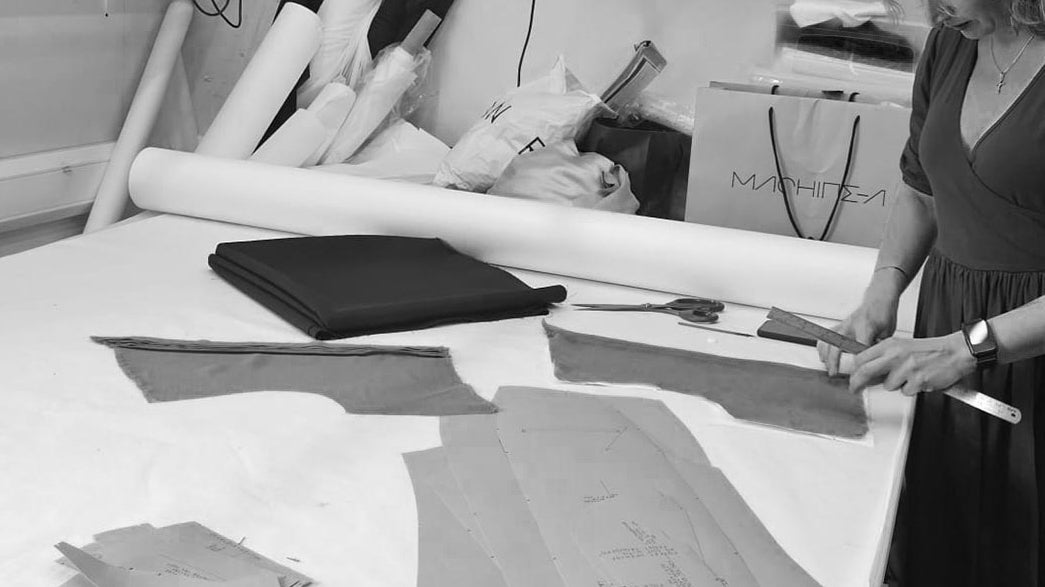
Choosing the right seamstress and approach

Here are our practical tips.
- Pick experience over price. Seek a seamstress with proven work on silk bias‑cut garments and upcycling projects.
- Request a portfolio. Ask for before/after photos of bias‑cut dresses, silk repairs, and creative remakes.
- Plan a fitting consultation. Bring photos of the desired look, measurements, and any original alteration notes. Agree scope, timeline, and a written quote before work begins.
- Check out our recommendations for seamstresses and tailors here - Our recommended seamstresses to repair and rework your much‑loved dresses

1. Turn it into a two‑piece
Turning it into a two makes it so much more practical and can take your new pieces way beyond the wedding day.
- Why it works: Separating bodice and skirt, and adding a with a defined waistband modernises the silhouette and allows mix‑and‑match styling.
- How it’s done: Add a tailored waistband or belt in matching or complementary fabric; finish edges with clean topstitching or hand‑rolled hems for a couture look.
- Result: Easier alterations, improved fit, and a contemporary aesthetic that reads as new.

2. Natural dye it or print a pattern on it
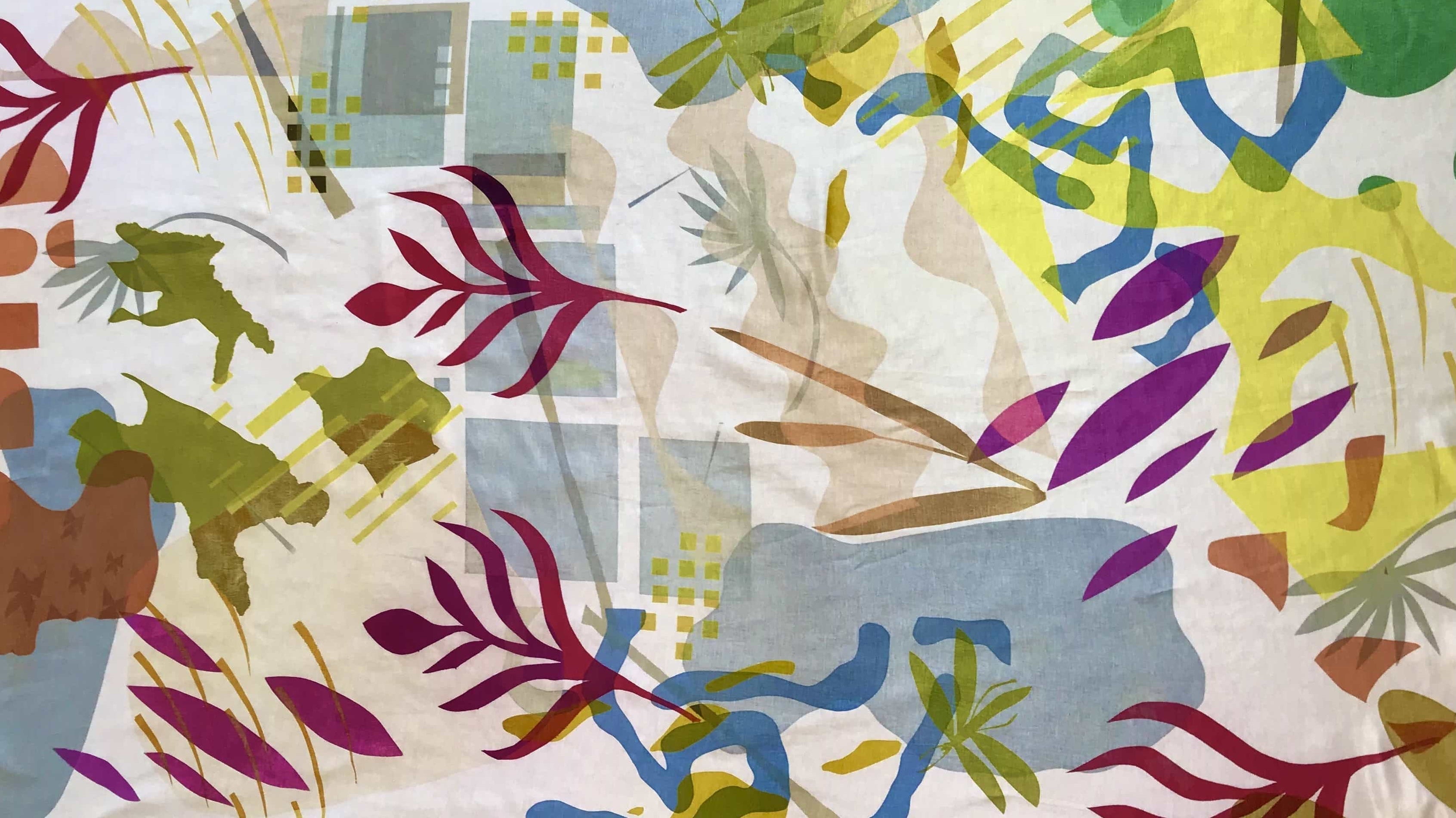
If you're interested in changing the colour, make sure you have the dress properly dry cleaned first and do this before you carry out any alterations too. Works best on silks and plant based fabrics. If you work with a talented textile artist, you can also explore options for print if patterns are your thing. The print pictured above was done by Ceres Studio founded by .Lara Mantell and Florence Hawkins
- Why it works: Natural dyes can subtly shift tone without harsh chemicals, ideal for silk and crepe.
- How it’s done: Use plant‑based dyes (e.g., madder, weld, indigo) applied by a specialist dyer who tests fabric swatches first. Expect slight variation and a soft, vintage finish.
- Result: A refreshed, unique hue that conceals minor stains and gives the gown a bespoke character.
- Check out our recommendations for natural dyers here - Best places to naturally dye your silk Sabina Motasem wedding dress

3. Add a contrast panel to improve fit and style
Adding a panel you can change the look of a piece can completely transform a dress. Pictured above is our beautiful bride Jemima, where we added this ruched chiffon halter piece to the Cleo dress, which totally modernised it. You could make the skirt portion more A-line by adding panels for instance. You'll need a very creative seamstress who can carry this off and consider looking for inspiration images to help guide your alterations.
- Why it works: A carefully placed panel can add ease, visual interest, and structural support.
- How it’s done: Insert a narrow panel at the centre back or side seams in a complementary fabric such as satin or lightweight crepe in the same colour to change the fit of the skirt to make it more flowing. Use covered buttons or a hidden zip for a seamless finish.
- Result: Better movement, discreet size adjustment, and a chic design detail.
 Photographer: Grace Cham Photography | Venue: Abney Park Chapel
4. Add silk chiffon or tulle sleeves with ruched sleeve head
A creative and experienced seamstress can work wonders. Pictured here is bride Chloe who had gorgeous billowy silky sleeves added to her Sabina Motasem Josephine sample dress.
- Why it works: Lightweight sleeves add coverage without bulk and suit bias‑cut shapes.
- How it’s done: Draft sleeve heads to match the gown’s shoulder curve, attach with soft gathers or ruching, and finish with narrow hems or silk bindings.
- Result: Elegant coverage that feels integrated and feminine.

5. Remove or shorten the train for practicality
We used to have a gold version of our Elsa dress, which many of our brides liked to remove the train and it automatically becomes a kind of red carpet evening dress style smart dress for any special occasion. Consider dyeing your dress a similar gold colour, or yellow maybe.
- Why it works: Shortening the train modernises the dress and makes it more wearable for civil ceremonies or destination weddings.
- How it’s done: Re‑hem the skirt to ankle or tea length; convert removed train fabric into a detachable overskirt or bustle. Reinforce seams where the train was removed.
- Result: A versatile dress with options for ceremony and evening looks.

6. Add a removable tulle skirt or for dramatic entrances
- Why it works: A detachable overskirt creates a two‑look outfit without permanent alteration.
- How it’s done: Construct an overskirt from silk satin, crepe de chine, or lightweight tulle with a discreet waistband or snap attachments. Ensure the attachment points are reinforced.
- Result: A show‑stopping church entrance that can be removed for dancing.

7. Shorten for travel or destination weddings with a sheer overlay
A sheer overlay like this Olive tulle dress pictured above from a previous collection, instantly transformed all of our dresses. You get to have two completely different looks too and consider shortening the under dress to just past the knee for a high - low illusion look that could look like straight off the pages of a fashion editorial spread.
- Why it works: Shortening and adding a sheer overlay creates a lightweight, packable option ideal for beach or elopement ceremonies.
- How it’s done: Hem to below the knee or mid‑calf; add a sheer chiffon or georgette overlay with its own waistband for translucency and movement.
- Result: Two distinct looks in one garment and easy packing for travel.

Photo of real bride Jade in her Josephine dress with a contrast satin belt by White Vine Photography.
8. Create convertible elements for multiple looks
Create a big bow, sash or a removable lacey top to completely transform a top and create multiple different looks on your big day.
- Why it works: Buttons, ties, and removable panels let a single dress serve different moments of the day.
- How it’s done: Add hidden buttons for detachable sleeves, a removable train, or a clip‑on cape. Use couture techniques so attachments are invisible when removed.
- Result: Maximum versatility while preserving the dress’s original integrity.

Practical considerations and finishing touches
- Seam reinforcement: Bias‑cut silk needs careful handling; seams should be reinforced with stay‑stitching and French seams where appropriate.
- Matching thread and trims: Use silk thread and hand‑covered buttons to maintain a luxury finish.
- Preservation after alteration: Professionally press and bag the finished dress; store in breathable cotton or muslin to protect fabric.
- Cost expectations: Upcycling costs vary by complexity; simple hems and panels are modest, while dyeing or structural remakes are higher. Always get a written estimate.
Final note
A skilled seamstress can make a preloved Sabina Motasem gown look brand new. Thoughtful upcycling preserves the dress’s craftsmanship while creating a fresh, personalised piece that honours the original design and reduces environmental impact.